Binoculars for Stargazing
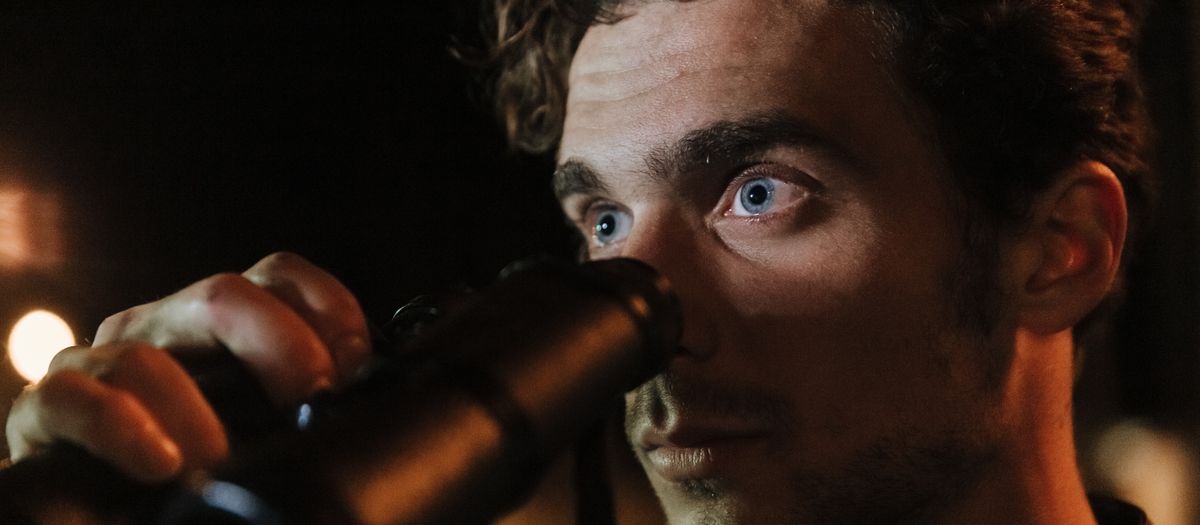
Binoculars are the most underrated way to start in astronomy — wide, two-eyed views of the Moon, Jupiter's moons and star clusters with nothing to align. This silo explains why big objectives and a generous exit pupil matter under dark skies, where 10×50 and 15×70 giant binoculars fit, and when a tripod becomes mandatory. Specs are verified against manufacturer and current Amazon listings; no hands-on testing is claimed.
Why big objectives and exit pupil matter under dark skies
Astronomy is the one place where the second number — the objective — truly rules. Under a dark sky you're trying to collect faint starlight, and a bigger front lens gathers more of it. Just as important is the exit pupil (objective ÷ magnification): your own pupil opens to around 5–7mm in darkness, so you want a binocular whose exit pupil is at least that wide to feed your fully-dilated eye. A 10×50 gives 5.0mm; a 7×50 a luxurious 7.1mm. That's why the night sky rewards big objectives and modest magnification, the opposite of what beginners expect. The how to choose binoculars pillar walks the exit-pupil math if you want the full picture, and the best binoculars for stargazing guide applies it spec by spec.
10×50, 15×70 and the giant astro binoculars
Three configurations cover almost all of binocular astronomy. The 10×50 is the classic all-rounder — bright, hand-holdable for short sessions, and enough reach for the Moon, Jupiter's moons and bright clusters. The 15×70 giant gathers far more light and pushes deeper into faint clusters and nebulae, at the cost of weight that demands a tripod. Beyond that, big 20×80-class binoculars are mounted instruments for serious deep-sky sweeping. More aperture always shows more, but it always weighs more too — the trade-off is steady, so match the config to whether you'll observe hand-held or set up on a mount.
When a tripod becomes mandatory
Here's the honest dividing line. At 10×50 you can hand-hold short views, though even then bracing against a wall or leaning back in a chair sharpens everything and reveals fainter stars. At 15×70 and above, a tripod with an L-shaped adapter is effectively required — the magnification multiplies every tremor and the weight tires your arms in under a minute, so the stars become a dancing blur without support. If you're drawn to the big numbers, budget for the mount in the same breath; the binocular and the tripod are one purchase, not two.
What you can actually see
Set expectations correctly and binoculars are genuinely thrilling. On the Moon you see craters, mountain ranges and the dark seas in sharp relief. Beside Jupiter, its four largest moons line up as tiny points that shift night to night. Venus shows a phase, and Saturn reads as an oval, though the rings need a telescope to resolve cleanly. The real joy is the deep sky: the Pleiades spilling across the field, the Andromeda Galaxy as a soft smudge, double stars, and the Milky Way's star clouds. For planetary detail you'll eventually want a scope — but for wide, immersive, set-up-free views, few first instruments beat a good pair of binoculars.
Safety: never look at the Sun through binoculars — not even for a second. The magnified, concentrated light causes permanent, instant eye damage. Binoculars are for the Moon, planets and night sky, never the Sun. For solar or eclipse viewing, use only purpose-built, certified solar equipment, or watch at a properly equipped club event.
Featured guides
Landing next: Best binoculars to see the Moon, Best 15×70 binoculars for astronomy, Binoculars vs a first scope for beginners, and How to mount binoculars on a tripod.
Frequently asked questions
What size binoculars are best for stargazing?
A 10×50 is the classic starting point — big enough objectives for a bright 5mm exit pupil under dark skies, enough magnification to show the Moon and Jupiter's moons, and still hand-holdable for short sessions. For more reach into faint clusters and nebulae, 15×70 giant binoculars gather far more light but need a tripod.
Can you see planets with binoculars?
Yes, to a point. Binoculars readily show the four largest moons of Jupiter as tiny points beside the planet, the phases of Venus as a small disc, and Saturn as an oval, though they will not resolve its rings cleanly. They excel at the Moon's craters and seas, bright star clusters like the Pleiades, and sweeping the Milky Way. For planetary detail you eventually want a telescope.
Do I need a tripod for astronomy binoculars?
For 10×50 you can hand-hold short views, but a tripod or even a reclining chair steadies the image and makes faint objects far easier to see. For 15×70 and larger giant binoculars, a tripod with an L-adapter is effectively mandatory — at that magnification and weight, hand-holding turns the stars into a shaky blur.
Are binoculars or a telescope better for a beginner?
Binoculars are the easier and cheaper start: nothing to align, a wide two-eyed view, and grab-and-go simplicity that gets you observing the same night. A telescope shows more planetary and deep-sky detail but adds setup, cost and a learning curve. Many astronomers keep binoculars for life even after buying a scope, because the wide field is unmatched for sweeping the sky.